Anúncios
Have you ever stopped to consider how a simple shooter game changed digital entertainment forever? Many players are aware of the franchise’s current impact, but few know the journey it has taken since its initial release.
The brand’s epic trajectory began with a bold vision for battlefield immersion.
Today, we’re going to take a deep dive into the series’ history.
Anúncios
Expanding to the global stage and solidifying the franchise
Call of Duty®: Mobile
You will be redirected to another website
Call of Duty®: Mobile
The transition to the new generation of consoles marked a pivotal moment in the history of shooter games.
Technological advancements allowed the developer to raise the bar for quality, drawing in players from around the world for an increasingly immersive experience.
Anúncios
Call of Duty 2 and the transition to the new console generation
The release of Call of Duty 2 was a landmark event for the industry. Upon arriving on new consoles, the title demonstrated how extra processing power could transform the virtual battlefield.
This shift enabled the shooter franchise to explore more detailed graphics and realistic sound effects. Fluid FPS gameplay became the new standard, ensuring fans felt truly immersed in the conflict.
The importance of a narrative focused on multiple perspectives
Another key differentiator was the adoption of a cinematic narrative that followed different soldiers across various fronts. Instead of following a single protagonist, players experienced the drama of war from multiple viewpoints.
This approach enriched the cinematic storytelling, making every mission unique and memorable. By leveraging console hardware to process these complex stories, the series proved that FPS gameplay could be just as engaging as a big-budget movie.
With this strategy, the shooter franchise cemented its position as a market leader. The global audience responded positively, establishing a loyal fan base that would follow the series’ evolution for years to come.
The modern revolution with Modern Warfare
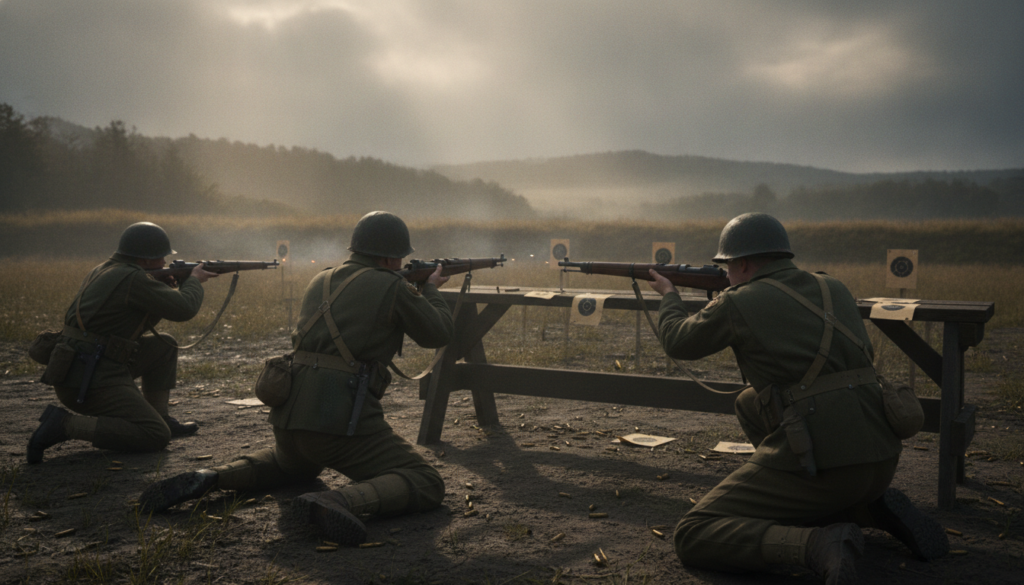
When the series decided to leave the trenches of World War II behind, a new horizon opened up for players, marking a pivotal step in the evolution of gaming by allowing the narrative to explore modern conflicts and advanced technologies.
Shifting focus from World War II to contemporary combat
The launch of Modern Warfare marked a drastic shift in the industry. By swapping historical settings for modern battlefields, the title delivered a sense of urgency and realism that captivated a global audience.
This strategic choice enabled developers to utilize modern weaponry and military tactics. The result was an immersive experience that distanced the franchise from the repetitive formulas of the past.
Captain Price’s legacy and setting a new FPS standard
The introduction of iconic characters like Captain Price helped elevate the storytelling; he became a central figure, guiding players through intense missions that redefined FPS gameplay for an entire generation.
The title’s success established a new benchmark for quality that many other games sought to emulate. The series’ legacy was cemented here, proving that constant innovation is the key to maintaining fan interest over the years.
Exploring the Cold War and Treyarch’s narrative style
With the arrival of the Black Ops sub-series, Call of Duty’s narrative took on elements of psychological suspense. Treyarch brought a unique perspective by exploring the tense atmosphere of the Cold War, moving away from traditional warfare to focus on covert operations.
This change in direction allowed the developer to experiment with a more complex game structure. The result was an experience that challenged players to question the very reality unfolding on their screens.
Black Ops and the introduction of conspiracy-driven plots
The defining feature of this era was the introduction of intricate conspiracy plots that kept the audience focused on every detail. In Black Ops, the player was not merely a soldier but a pawn in a global espionage game filled with unexpected twists.
The fragmented narrative and the use of psychological elements elevated the series to a new level. This storytelling approach became a Treyarch trademark, setting its titles apart from other entries in the franchise.
The massive success of the Zombies mode
Beyond the main campaign, Treyarch established a phenomenon that transcended the base game. The Zombies mode emerged as an unexpected addition and quickly became a cornerstone for the community.
The massive success of the Zombies mode is due to its addictive gameplay and the continuous deepening of its own mythology.
Fans were drawn to the challenge of uncovering secrets hidden within each map, turning the mode into an essential cooperative experience.
Today, it is impossible to look back at Treyarch’s trajectory without acknowledging the mode’s lasting impact, proving that creativity can transform bonus content into one of the entire series’ biggest draws.
The futuristic era and experimentation with movement mechanics

The future arrived on virtual battlefields with a radical shift in pace. The franchise decided to explore distant technological horizons, transforming how players interact with the environment.
This phase marked a significant milestone in the evolution of gaming, introducing new tactical possibilities for combat.
Advanced Warfare and the introduction of exoskeletons
With the release of Advanced Warfare, the series plunged into a high-tech setting. The star of this shift was the exoskeleton—gear that enabled double jumps and rapid dashes across the map.
These new movement mechanics completely altered the speed of matches. Combat was no longer strictly horizontal; players were forced to look upward and react with far greater agility than before.
The challenge of balancing innovation with the series’ essence
Introducing so many new features was no simple task for the developers. The greatest challenge was ensuring that, despite the innovations, the game still felt like a classic entry in the franchise.
Striking a balance between modernity and traditional gameplay is crucial for the evolution of games.
The pursuit of new movement mechanics had to respect the identity fans cherished, ensuring the experience remained both fun and competitive.
Returning to roots and the quest for historical authenticity
The decision to revisit the past proved to be a bold and necessary move for the brand. After years of experimenting with futuristic technology and space combat, the series felt the need to reconnect with its origins, focusing on recapturing the emotional weight that only historical realism can convey to players.
Call of Duty: WWII and the return to visceral realism
The release of Call of Duty: WWII was a watershed moment for the franchise. The title abandoned double jumps and energy weapons to focus on a raw, direct combat experience.
The developers prioritized visual and audio fidelity to ensure players could feel the impact of every moment. The narrative sought to humanize the soldiers, showcasing the fear and camaraderie found in the trenches.
This commitment to historical realism allowed the series to recapture the serious tone that many fans associated with its earliest installments.
Immersion was taken to a new level, transforming the battlefield into a far more intimidating environment.
Fan reception to the return to the past
The community reacted extremely positively to this shift in direction.
Many players expressed relief at seeing the franchise move away from complex movement mechanics to focus on more traditional gunplay. The return to a World War II setting served as a celebration of the series’ classic identity.
The title’s success demonstrated that nostalgia, when executed well, is a powerful tool for engagement.
By prioritizing historical realism, the development team managed to appeal to both veterans and newcomers alike, proving that sometimes, looking back is the best way to move forward with confidence.
Conclusion
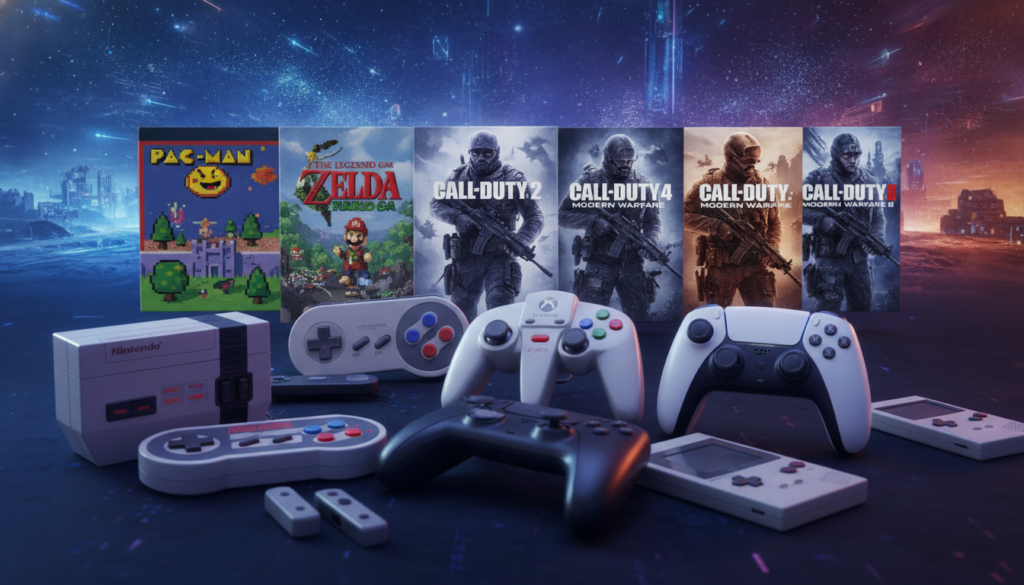
Activision’s journey with Call of Duty reveals a unique ability to adapt to technological changes. The series has transformed the first-person shooter genre over two decades of constant releases.
Each title introduced innovations that shaped player behavior worldwide. The transition between historical settings and contemporary conflicts has kept audience interest constantly renewed.
The brand’s success lies in its ability to balance classic mechanics with new market trends. Cross-platform integration ensures the experience remains relevant to new generations of enthusiasts.