Anúncios
Have you ever wondered what it would be like to bear the weight of deciding who can or cannot enter a country—all while under constant pressure? This is the core premise that makes the game Not Tonight such a striking and thought-provoking experience for any player.
In this border-control game, you take on the role of an ordinary citizen who must navigate an intense daily routine filled with challenges.
Today, we’ll prepare to dive into an environment where bureaucracy meets human drama, demanding mental agility and great caution with every decision made.
Anúncios
The story’s context and life under surveillance
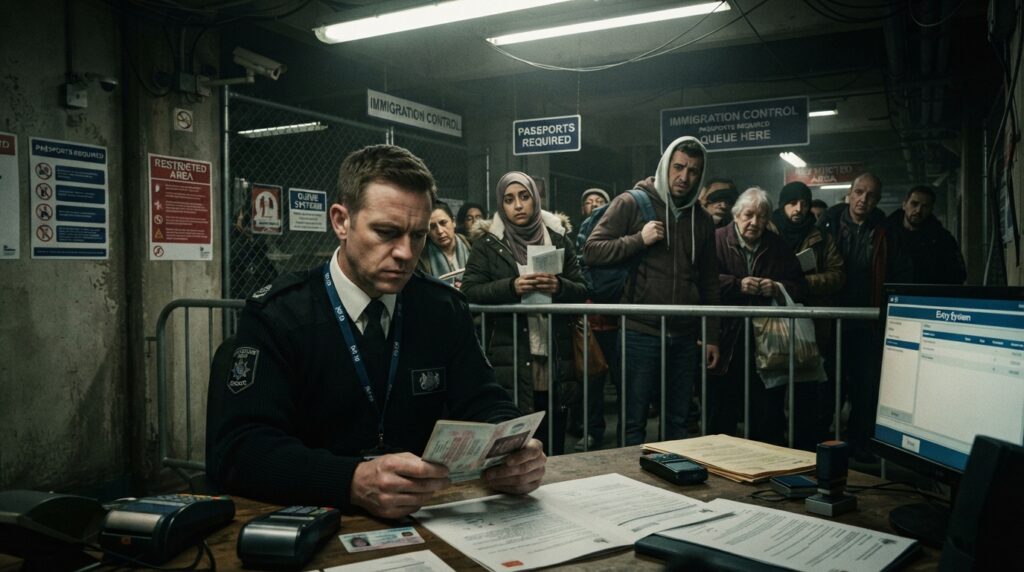
Life under surveillance is not merely a backdrop; it is the driving force behind every difficult decision in the game.
The environment in which the protagonist finds themselves reflects a reality where personal freedom has been replaced by a system of constant monitoring. Every interaction is shaped by this invisible pressure that hangs over the citizens.
A city defined by rigid rules and inequality
In this controlled society, the urban structure is divided by regulations that favor the few and restrict the many.
Anúncios
Laws serve not only to maintain order but to ensure that the social hierarchy remains intact. Access to basic resources becomes a privilege, forcing individuals to accept precarious working conditions just to survive.
The impact of political decisions on the characters’ lives
Political shifts occurring behind the scenes affect the daily lives of those living under surveillance. When laws change, the impact is felt immediately at the gates of the checkpoint.
The protagonist must adapt quickly, as any mistake could mean losing their job or running into trouble with local authorities.
Every new directive imposed by the government alters how people interact and how the protagonist perceives their own role within the community. Uncertainty about the future becomes a constant companion.
Why the setting makes every inspection increasingly uncomfortable
The backdrop of a controlled society turns a simple task—checking a document—into a profound moral dilemma.
The player realizes that every person passing through the checkpoint has a story, dreams, and fears that could be shattered by a rejection. Bureaucracy ceases to be mere paperwork and becomes a tool for exclusion.
This constant tension imbues the act of inspection with significant emotional weight. The player is forced to choose between their own financial security and empathy for others. This internal conflict is what makes the experience so striking and realistic for those who take control.
How the border control routine works
The daily routine at the checkpoint is far more intense than it appears at first glance. What begins as a simple administrative task quickly evolves into a test of mental endurance.
Border inspection requires absolute focus, even as fatigue begins to set in.
Verifying documents, schedules, and authorizations
Every traveler who arrives at your booth brings a stack of papers that must be validated.
You must ensure that names match, expiration dates are correct, and authorization stamps are authentic—a methodical process that leaves no room for error, as any mistake could cost you your job.
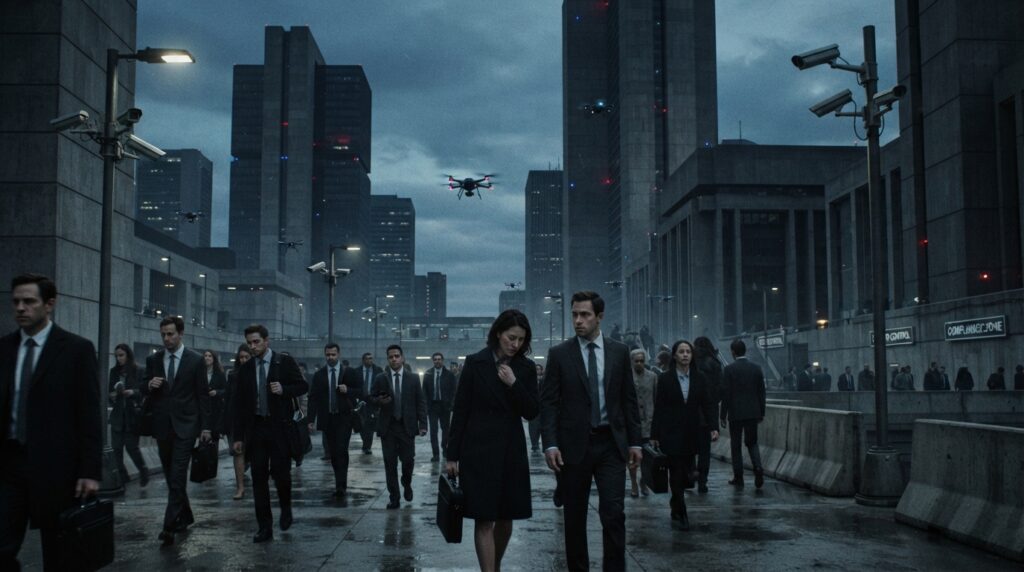
Identifying inconsistencies during inspections
The real challenge arises when the data doesn’t match up. Sometimes, the photo on a document looks different from the person standing before you, or the entry time doesn’t align with the visa presented.
Document verification becomes a game of cat and mouse, where you must stay one step ahead.
The pressure to make decisions in a matter of seconds
Time is your greatest enemy during a shift. You have only a few moments to analyze each case before the line grows and the pressure mounts—turning the task into a test of nerves, where any hesitation might be perceived as incompetence.
What to look for before granting or denying entry
To ensure you make the right decision, it is essential to follow a consistent verification protocol. Staying calm and paying close attention to detail is the key to avoiding serious issues.
Below, we have listed the key points you should check before clearing someone for entry:
- Check that the name on the passport is identical to the one registered in the system.
- Verify that the document’s expiration date is still valid.
- Compare the photograph with the traveler’s actual appearance.
- Confirm that the authorization stamp includes the correct date and location.
- Look for any erasures or signs of tampering on the document.
Tools for analyzing each traveler
Every person who arrives at your post brings with them a story that must be carefully validated. Success in your role depends entirely on your ability to observe details that might seem irrelevant at first glance.
Documents, photographs, and identification information
To effectively analyze travelers, you will have access to a range of essential items. The passport is your starting point, containing basic data that must be cross-referenced with the information provided by the system.
Furthermore, you will need to verify photographs and other identification documents to confirm the legitimacy of the entry. Minor discrepancies in dates or names can serve as the red flag you need to prevent a serious oversight.
How to compare data without missing important details
Comparing data requires a rigorous method to ensure nothing goes unnoticed; it is crucial to maintain full focus on the screen while nimbly switching between physical documents and digital information.
Try to develop a checking routine that works for you. By verifying identification documents systematically, the likelihood of making errors decreases significantly—even under pressure.
The evolution of available resources throughout the campaign
As the game progresses, the complexity of your tasks increases substantially. You will begin with simple tools, but you will soon need to navigate more sophisticated systems to ensure accurate traveler analysis.
New features will be unlocked to help you detect more elaborate forms of fraud. This constant evolution keeps the challenge fresh, requiring you to adapt quickly to the changing demands of your post.
Decisions, consequences, and moral dilemmas
The weight of every decision you make at the border extends far beyond a simple passport stamp. In an environment defined by constant surveillance, your choices reveal who you truly are when faced with an oppressive system. The pressure mounts as you realize that every individual who crosses your checkpoint carries a unique story.
When following the rules doesn’t seem like the right choice
Often, the instruction manual comes into direct conflict with your internal compass. You encounter situations where blind obedience could mean the ruin of a family or an injustice against an innocent person—testing both your resilience and your sense of humanity.
The immediate consequences of accepting or rejecting someone
Every action taken at the checkpoint triggers an immediate ripple effect. Denying a traveler entry might condemn them to an uncertain fate, while granting it could lead to trouble with your superiors.
The consequences of your choices are felt almost instantly, affecting both your financial balance and your reputation.
- Turning away a refugee for fear of government retaliation.
- Accepting a forged document to help someone in danger.
- Ignoring a technical glitch to speed up the waiting line.
- Prioritizing personal profit at the expense of professional ethics.
How small decisions affect the narrative and the characters
The impact of your actions is not limited to the moment of inspection. Small gestures or omissions shape the unfolding of the story and alter how other characters interact with you.
The narrative becomes a direct reflection of your stance when faced with the difficulties imposed by the regime.
The difference between making a mistake and choosing to take a risk
It is essential to distinguish a technical slip-up from a conscious choice. Making an inspection error is a common accident—often a result of pressure and fatigue—which leads to administrative penalties.
On the other hand, taking a risk is a deliberate act of rebellion, in which you accept potential punishment for the sake of a greater value.
Conclusion
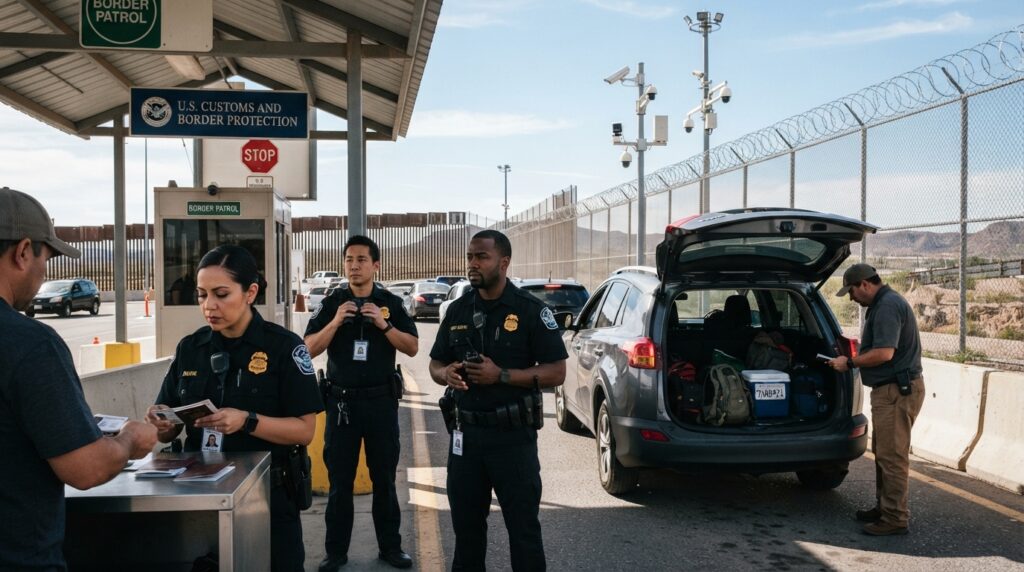
Not Tonight turns the daily routine of a bouncer into a constant exercise in ethical dilemmas. The game places the weight of the world on your shoulders as you struggle to balance financial survival with personal morality.
Many players look for games where their choices truly impact how the story unfolds. This title delivers exactly that, forcing you to make split-second decisions under extreme pressure.
Every document checked and every person turned away shapes the protagonist’s fate within a hostile environment. The narrative tension mounts as the basic necessities of real life collide with the demands of the checkpoint.