Anúncios
Have you ever stopped to consider what life would be like for an ordinary civilian caught in the middle of an armed conflict? While most titles focus on the frantic action of soldiers, this game breaks the mold by putting you in the shoes of someone simply trying to survive the chaos.
This War of Mine is a war-themed survival game that challenges your perception of the genre. Here, the goal isn’t to defeat armies, but rather to keep your group alive amidst a scarcity of resources and constant fear.
Today, we’ll explore the war-survival game This War of Mine.
Anúncios
This War of Mine: a war-survival experience
This War of Mine
You will be redirected to another website
Survival in this game is a constant test of your moral compass.
Unlike other titles in the genre, the focus here is not merely on hoarding supplies, but on how you acquire each item necessary to keep your group alive.
Anúncios
Every action carries consequences that may haunt your characters for days. Resource management quickly becomes an exercise in ethics within a world where social rules have ceased to exist.
How the game turns survival into a moral issue
In a traditional survival game, the goal is to overcome technical challenges. Here, the challenge is to maintain one’s humanity while the surrounding environment seeks to destroy it.
You frequently encounter situations where the need for medicine or food comes into direct conflict with the well-being of other survivors.
Guilt becomes a mechanical element, affecting the psychological state of your characters following questionable acts.
The weight of controlling ordinary people in extreme situations
Controlling ordinary civilians—people without military training—brings a unique sense of responsibility; they carry fears, traumas, and hopes that make every loss far more painful for the player.
The fragility of these individuals forces you to make difficult moral choices with each new dawn. Protecting your shelter might mean ignoring a neighbor’s plea for help, creating a constant dilemma between self-preservation and empathy.
When there is no truly “right” choice
The game often backs you into a corner where any path you choose will lead to suffering. Helping a stranger might deplete your resources, putting your entire group at risk of starving to death.
Conversely, turning a blind eye to others can shatter your survivors’ mental health, driving them into deep depression. There are no perfect answers in this survival game—only consequences that you must learn to live with.
These moral decisions force the player to reflect on what truly matters when everything you know is taken away. The experience serves as a constant reminder that, in war, survival is merely the first step.
The survivors and the human stories behind the shelter
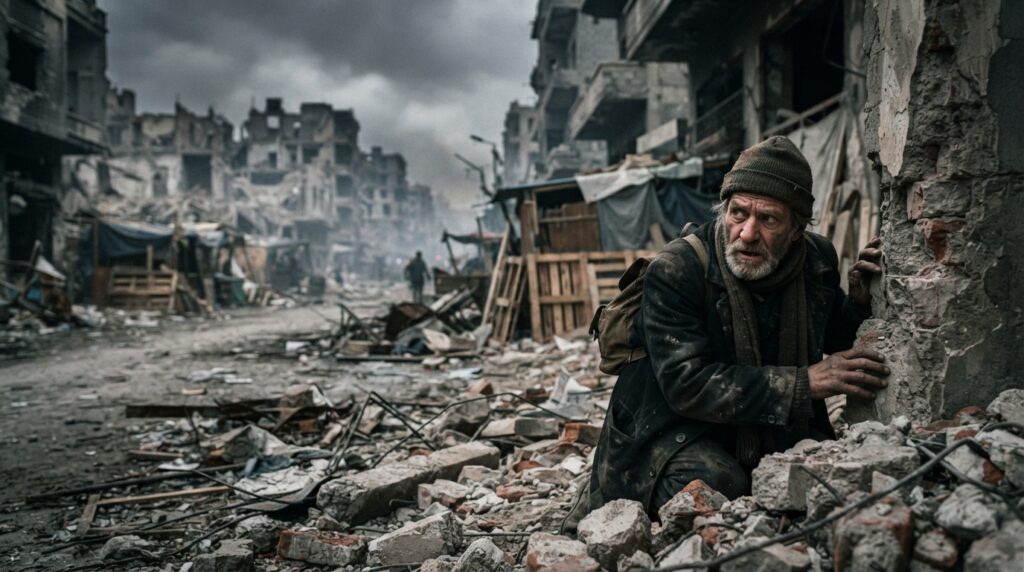
Behind every strategic decision lie human beings trying to maintain their dignity in a devastated landscape.
Survival is not just about managing resources; it is about understanding the stories and motivations of every individual who crosses your path.
Skills, traumas, and individual needs
Each survivor possesses a unique set of skills that can mean the difference between life and death. Some are excellent cooks, while others have a special aptitude for stealth or combat.
However, these qualities come with emotional baggage. Past traumas can make a character more unstable, requiring constant attention to ensure they do not succumb to despair during the most difficult days.
How each character’s personality shapes daily life
The personality of each character dictates the rhythm of daily life within the shelter. More altruistic individuals may feel distressed when forced to commit selfish acts, while others are more pragmatic, focused solely on sustaining life.
These traits directly influence group dynamics and the efficiency of daily tasks; one must observe how the characters interact with one another to ensure that morale does not plummet.
Hunger, fatigue, sadness, and hope
The physical and mental state of your companions is a direct reflection of their environment. A lack of basic supplies triggers a cycle of degradation that affects everyone’s productivity.
- Hunger reduces the energy available for performing strenuous tasks.
- Extreme fatigue increases the risk of fatal errors.
- Deep sadness can lead to depression and inactivity.
- Hope is the fuel needed to keep moving forward.
Relationships among shelter residents
Interpersonal relationships are at the heart of the experience. When survivors live together in a confined space, conflicts are inevitable—yet mutual support can strengthen the group.
Looking after the characters’ emotional well-being is just as important as putting food on the table. Small gestures of solidarity help maintain sanity in a world where hope feels like a luxury.
The Day-Night Cycle
The rhythm of life in a devastated shelter is dictated by an unrelenting cycle that separates the relative safety of daylight from the dangers of darkness. Understanding the day-night cycle is essential to ensuring that your group not only survives but also maintains its sanity amidst the chaos.
Organizing the Shelter During the Day
During daylight hours, the primary focus is maintaining your refuge—an ideal time to carry out repairs, cook food, and craft essential items required for the characters’ basic survival.
Each survivor possesses unique skills that can be leveraged to optimize time. Distributing tasks intelligently prevents the waste of precious resources and keeps the group’s morale at an acceptable level.
Exploration, Stealth, and Risks at Night
Once the sun sets, reality shifts drastically, and danger becomes a constant presence. Stealthy exploration becomes the only way to secure vital supplies, such as food, medicine, and construction materials.
Venturing out to explore unknown locations demands extreme caution. The player must decide who is fit to face the risks outside and who should remain in the shelter to protect it from potential intruders.
Deciding Who Works, Who Rests, and Who Keeps Watch
Managing your people is an ongoing challenge that requires both empathy and strategy. You must strike a balance between those who are exhausted and need sleep, and those with enough energy to stand guard or scavenge for supplies.
Ignoring a survivor’s fatigue can lead to fatal mistakes or emotional breakdowns. Every decision has a direct impact on the physical and mental well-being of those who depend on you.
How Limited Time Heightens Tension
The clock ticks forward mercilessly, creating a sense of urgency that permeates every action. The need to complete complex tasks within a short window of time intensifies the pressure on the player.
This time constraint turns every choice into a moral dilemma. You must decide whether to risk someone’s life on a stealthy scavenging run or prioritize the immediate safety of the group within the walls of your shelter.
Resources, construction, and shelter management
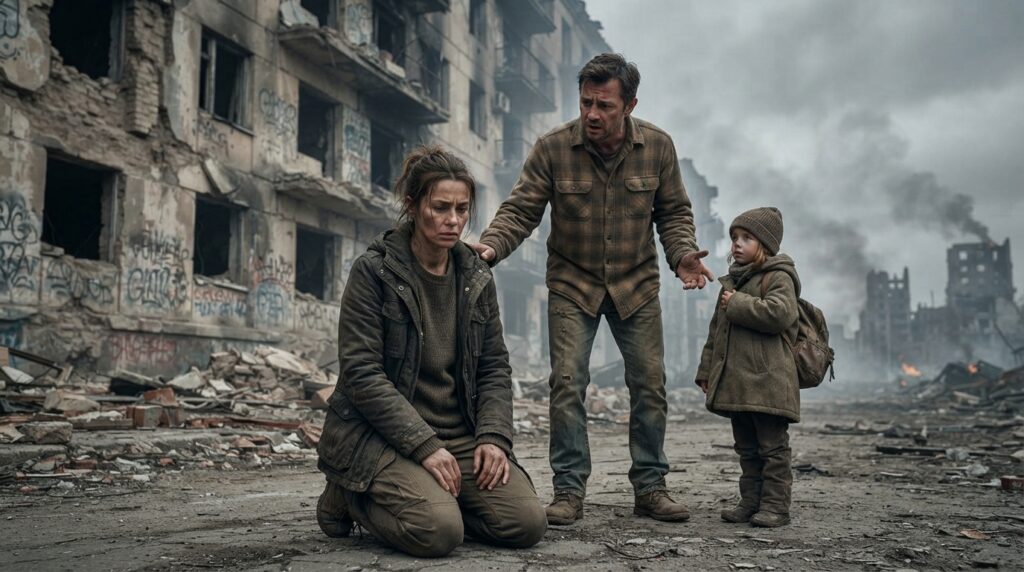
Turning a ruined building into a safe home requires planning and great caution. Your shelter is the only place where the survivors can rest and recover from the horrors of war.
Gathering essential materials
To keep the group alive, you must venture out in search of supplies. Collecting basic resources—such as wood, electronic components, and mechanical parts—is the first step toward any structural improvement.
Every item found in the piles of rubble is of inestimable value. Learning to identify what is a priority at any given moment helps you optimize the limited space in your backpack during your nighttime excursions.
Building beds, stoves, workshops, and security systems
With materials in hand, you can begin to transform your environment. Constructing essential items allows the group to face daily challenges with greater dignity and efficiency.
- Beds: Essential for characters to recover energy and health.
- Stoves: Allow for cooking hot meals, which are more effective at satisfying hunger.
- Workshops: Necessary for crafting tools, weapons, and advanced upgrades.
- Security systems: Protect the shelter against intruders during the night.
How to prioritize improvements without wasting resources
Resource management is a constant balancing act. Do not attempt to build everything at once; wastefulness could cost someone in your group their life.
Always assess what the most urgent need is. If winter is approaching, focus on heaters and thermal insulation before investing in unnecessary luxuries.
The importance of keeping food, water, and medicine on hand
Physical survival depends on a steady supply of vital items. Keeping food, filtered water, and medicine readily available is the golden rule for any efficient resource management.
A lack of these essentials leads to illness, desperation, and internal conflict. Therefore, always prioritize maintaining your shelter as a functional space—at the very least—to ensure that everyone has a real chance of surviving the difficult days ahead.
Conclusion
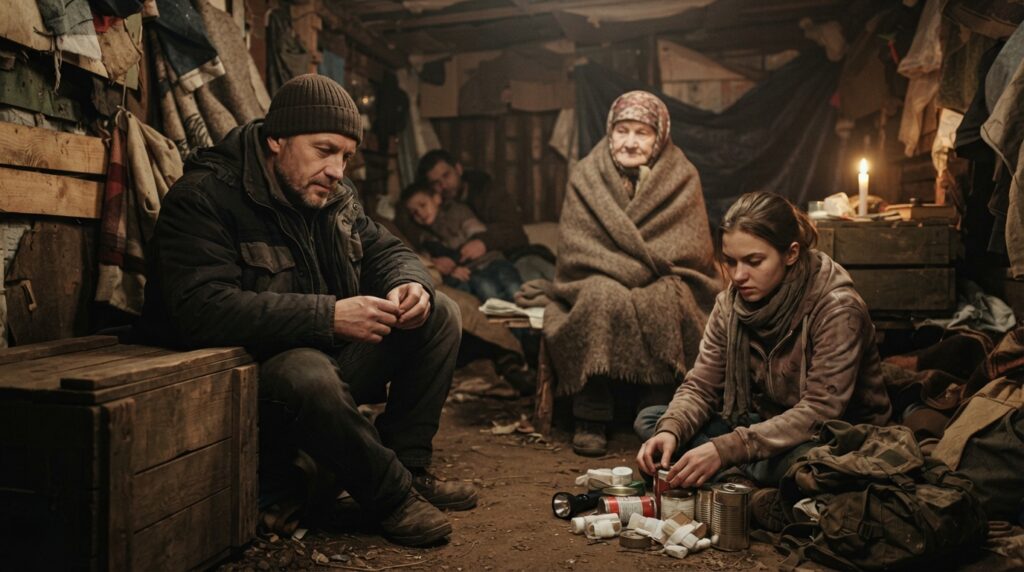
This War of Mine goes far beyond a simple strategy game, inviting you to feel the weight of every decision in a setting where survival demands constant sacrifices.
You learn that scarcity shapes character and that empathy is a resource just as valuable as food or medicine. Managing your shelter becomes a reflection of your own morality in the face of chaos.
As you explore the ruins of a besieged city, you craft a unique narrative based on your actions. These human stories transform the act of playing into an exercise in reflection on resilience and the fragility of life.